

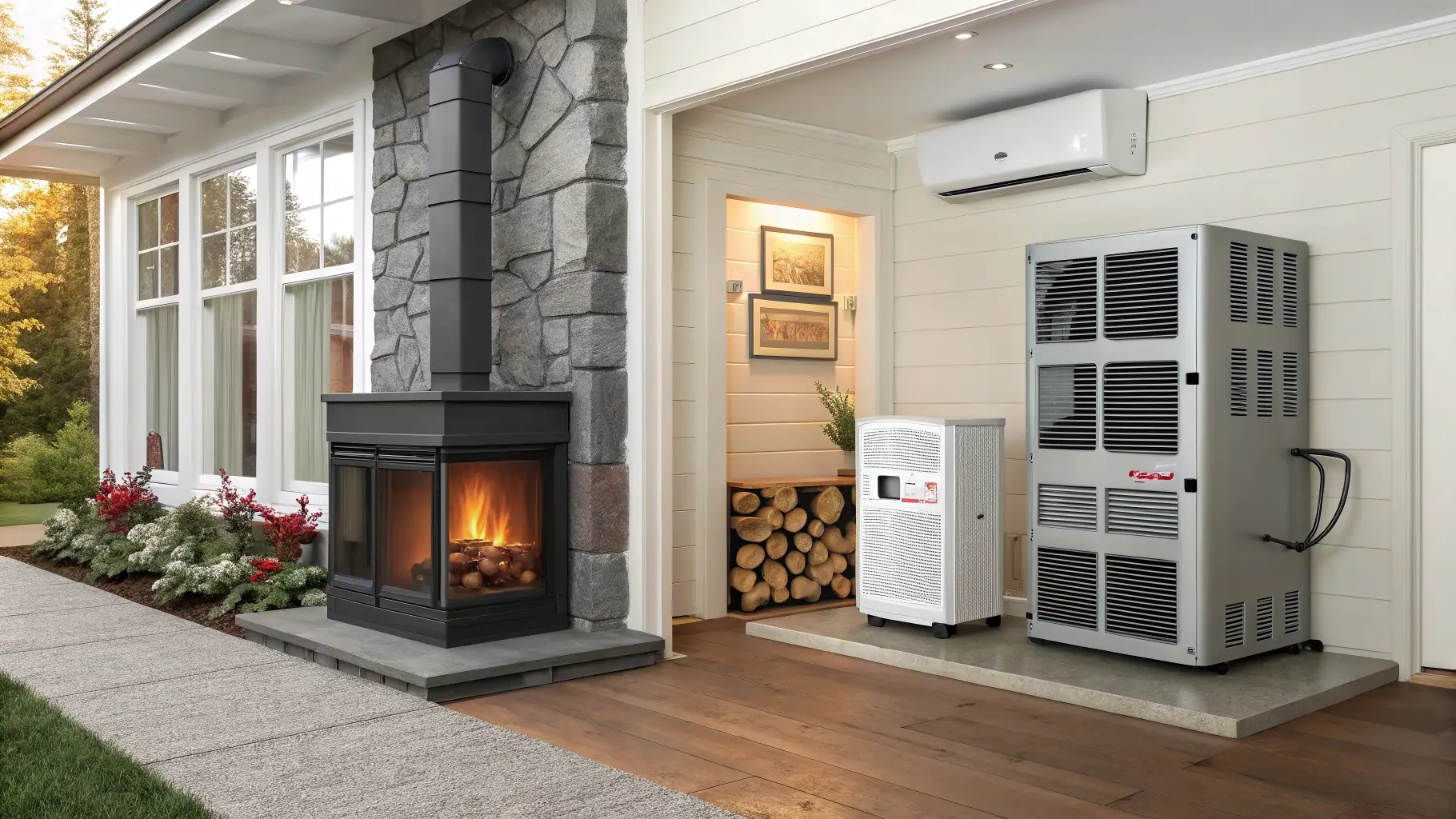
Furnace vs. Heat Pump: Which Heating System Is Right for You?
When considering furnace vs heat pump, it’s important to understand your options fully. 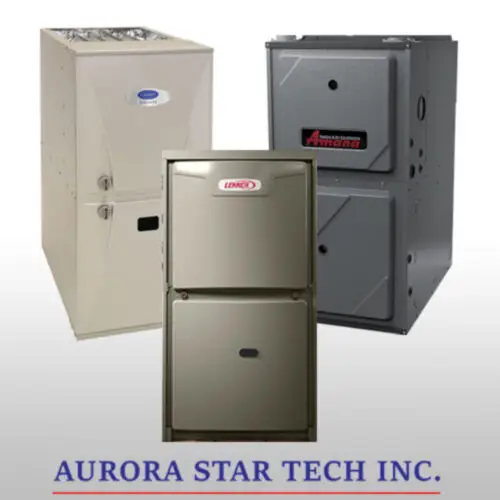
When it comes to heating your home, two of the most popular options are furnaces and heat pumps. While both systems keep your home comfortable during cold months, they work very differently and come with their own sets of advantages and disadvantages. Understanding the key differences can help you make the best decision for your home, climate, and budget.
How Does a Furnace Work?
A furnace is a heating system that generates heat by burning fuel — typically natural gas, propane, or oil — or by using electric resistance coils. The heat produced is then distributed throughout your home via a duct system and vents. Furnaces are known for producing very high, consistent heat, making them ideal for extremely cold climates.
Pros of a Furnace:
- Powerful heating: Furnaces can heat a home quickly, even in sub-zero temperatures.
- Lower upfront cost: Gas furnaces are generally less expensive to install than heat pumps.
- Reliable in extreme cold: Performance doesn’t drop in very low temperatures.
- Long lifespan: A well-maintained furnace can last 15–20 years.
Cons of a Furnace:
- Higher operating costs: Burning fuel can be more expensive than electricity in some regions.
- Heating only: A furnace only heats — you’ll need a separate system for cooling.
- Carbon emissions: Gas and oil furnaces produce greenhouse gases.
- Requires fuel supply: Dependent on a gas line or fuel delivery.
How Does a Heat Pump Work?
A heat pump doesn’t generate heat — instead, it transfers heat. In winter, it extracts heat energy from the outdoor air (or ground) and moves it inside your home. In summer, it reverses the process, acting as an air conditioner. This dual functionality makes heat pumps a highly efficient, all-in-one HVAC solution.
Pros of a Heat Pump:
- Energy efficient: Heat pumps can be 2–3 times more efficient than traditional heating systems.
- Dual functionality: Provides both heating and cooling in one system.
- Lower carbon footprint: Uses electricity and produces no direct emissions.
- Consistent comfort: Delivers steady, even temperatures throughout the home.
Cons of a Heat Pump:
- Higher upfront cost: Installation costs are typically higher than a furnace.
- Reduced efficiency in extreme cold: Standard heat pumps may struggle below -15°C (5°F), though cold-climate models have improved significantly.
- Dependent on electricity: Operating costs can be higher if electricity rates are expensive in your area.
- Requires professional sizing: Proper installation is critical for optimal performance.
Furnace vs. Heat Pump: Side-by-Side Comparison
| Feature | Furnace | Heat Pump |
|---|---|---|
| Primary Function | Heating only | Heating & Cooling |
| Energy Source | Gas, Oil, or Electric | Electricity |
| Efficiency | 80–98% AFUE | 200–300% (COP) |
| Best Climate | Very cold climates | Moderate to cold climates |
| Upfront Cost | Lower | Higher |
| Operating Cost | Moderate to High | Lower (in most cases) |
| Lifespan | 15–20 years | 10–15 years |
| Environmental Impact | Higher emissions (gas/oil) | Lower emissions |
Which System Is Right for Your Home?
The best choice depends on several factors:
- Climate: If you live in a region with harsh winters (like much of Canada), a furnace or a dual-fuel system (heat pump + furnace backup) may be the most reliable option. Modern cold-climate heat pumps, however, are increasingly effective even in temperatures as low as -25°C.
- Energy costs: Compare local gas and electricity rates. In areas where electricity is affordable, a heat pump can save you significantly on energy bills.
- Budget: If upfront cost is a concern, a gas furnace may be more accessible. However, the long-term savings of a heat pump can offset the initial investment.
- Environmental goals: If reducing your carbon footprint is a priority, a heat pump powered by clean electricity is the greener choice.
The Dual-Fuel Option
Can’t decide? Many homeowners opt for a dual-fuel system — a heat pump paired with a gas furnace. The heat pump handles mild weather efficiently, while the furnace kicks in during extreme cold. This hybrid approach offers the best of both worlds: energy efficiency and reliable performance year-round.
Final Thoughts
Both furnaces and heat pumps are excellent heating solutions — the right one for you depends on your climate, home size, energy costs, and long-term goals. At Aurora Star Tech, our HVAC experts are here to help you evaluate your options and find the perfect system for your comfort and budget.
Contact us today. Also check out our heating services and heat pump installation GTA pages for a free consultation and let us help you make the smartest choice for your home!
Ultimately, the furnace vs heat pump decision comes down to your specific home, budget, and climate comfort goals. Whether you choose a furnace, a heat pump, or a dual-fuel hybrid system, Aurora Star Tech’s HVAC experts are ready to guide you through every step. The furnace vs heat pump comparison doesn’t have to be complicated — contact us for a free consultation today!
